TUM Vice Chancellor calls on educational institutions to preserve Arab-Swahili heritage
She stressed on the importance of preserving the rich Arab and Swahili heritage that has shaped Kenya’s coast and the wider East African region
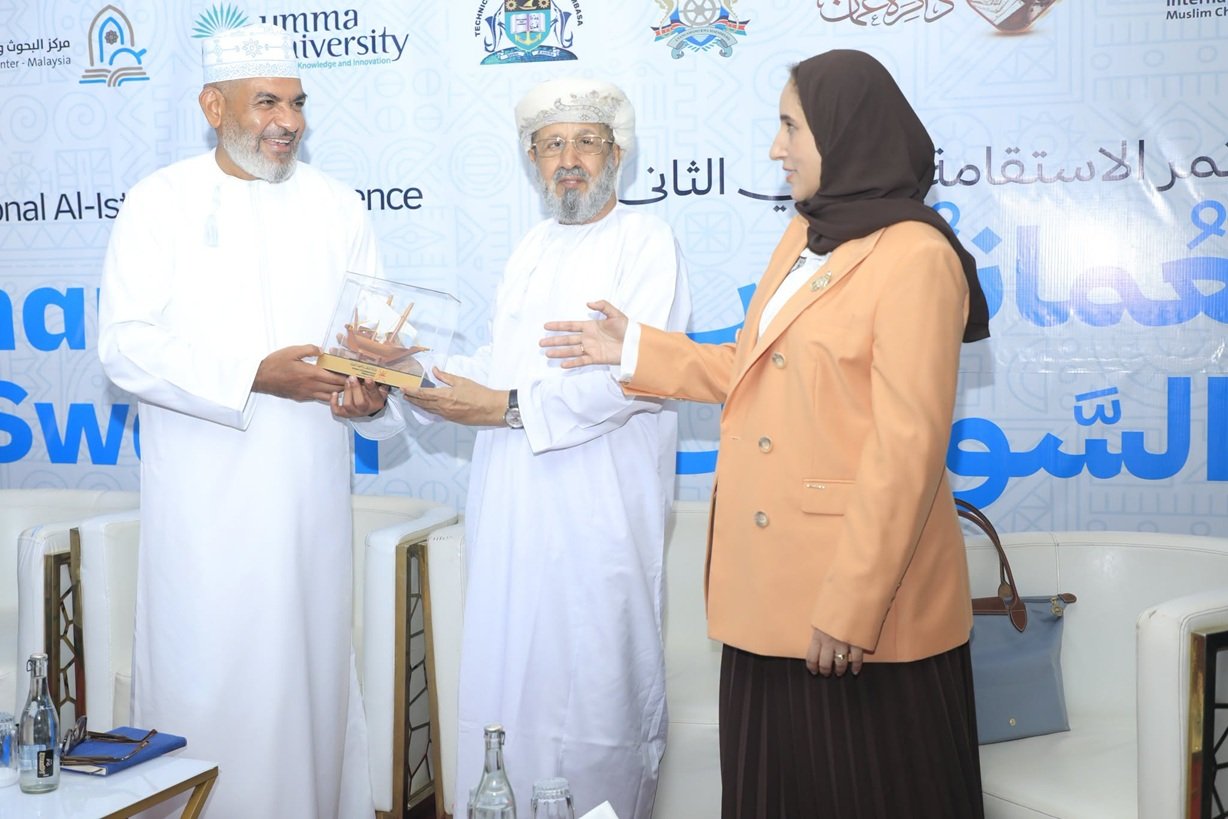
Educational institutions have a critical role to play in preserving culture and social heritage while preparing future generations to thrive in a rapidly globalizing world, Technical University of Mombasa (TUM) Vice Chancellor Prof. Laila Abubakar has said.
Speaking during the 2nd International Al-Istiqama Conference in Mombasa, Prof. Laila emphasized that schools and universities remain among the most effective channels for transmitting cultural values and traditions from one generation to the next.
She noted that this role is particularly important in preserving the rich Arab and Swahili cultural heritage that has shaped Kenya’s coast and the wider East African region for centuries.
“Educational institutions must preserve our rich cultural heritage while preparing future generations to succeed in an increasingly interconnected world,” she said.
The Vice Chancellor paid tribute to the visionary founders of institutions such as the Mombasa Institute of Muslim Education (MIOME), which later evolved into Mombasa Polytechnic before becoming the Technical University of Mombasa.
Prof. Laila pointed to TUM’s motto, “Jiddu Tajiddu” (Endeavor and Achieve), saying it embodies the values of determination, resilience, scholarship, and innovation that have historically characterized both the Omani and Swahili peoples.
She further observed that the history explored during the conference demonstrates that progress is achieved through dialogue, collaboration, and mutual learning rather than isolation.
Related
Drawing inspiration from centuries of interaction across the Indian Ocean, she called for stronger partnerships in higher education, research, technology, entrepreneurship, and cultural preservation.
In his address, the Mombasa County Executive Committee Member for Education, Dr. Mbwarali Kame, highlighted the historical role of the Arabic script in education, literature, and religious scholarship. He also underscored ongoing efforts to preserve and promote Arabic writing traditions across Africa.
present a scholarly paper titled, “Linguistic Politics, Colonialism and Religion in East Africa: Uganda as a Case Study,” the Mufti of Uganda, Sheikh Shaban Ramadhan Mubaje, examined the historical relationship between the Arabic language, Islam, and Swahili culture, noting the significant role language has played in shaping the identity of the East African coast.
In his welcoming address, Sheikh Ahmed bin Saud Al-Siyabi, the Secretary-General to the Grand Mufti of the Sultanate of Oman stressed the importance of documenting Omani and Muslim contributions to East Africa. He called for balanced historical narratives that acknowledge achievements in education, governance, agriculture, trade, and cultural development.
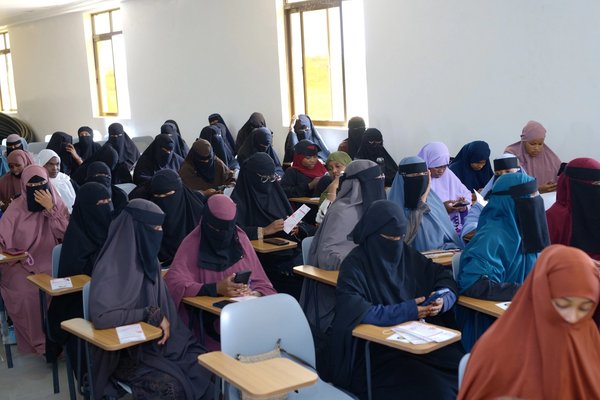
The 2nd International Al-Istiqama Conference brought together scholars, researchers, linguists, historians, cultural experts, and students to examine the historical and cultural ties between Omani and Swahili communities under the theme, “Omanis and Swahili: Between Influence and Mutual Interaction.”
Organized by the International Al-Istiqama Muslim Charitable Association, headquartered in the Sultanate of Oman, the conference provided a platform for dialogue on shared heritage, intellectual exchange, and the trade, language, and cultural interactions that have shaped the East African coast for generations