The Duksi: Preserving faith, learning and tradition across generations
The institution through which Somali children have learned the Qur’an has existed for more than a thousand years.
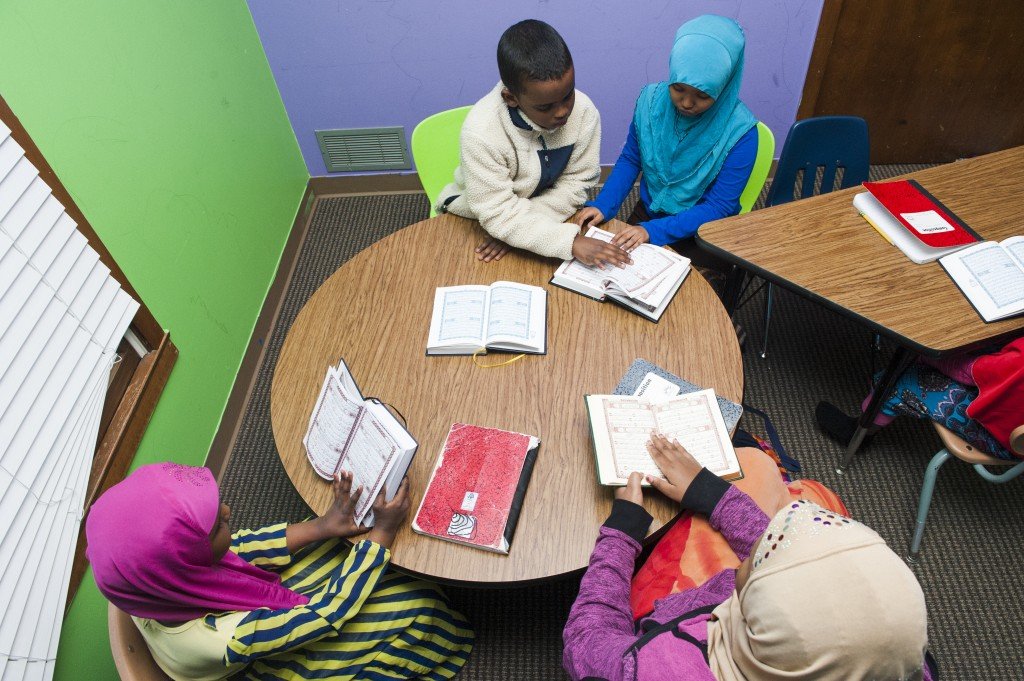
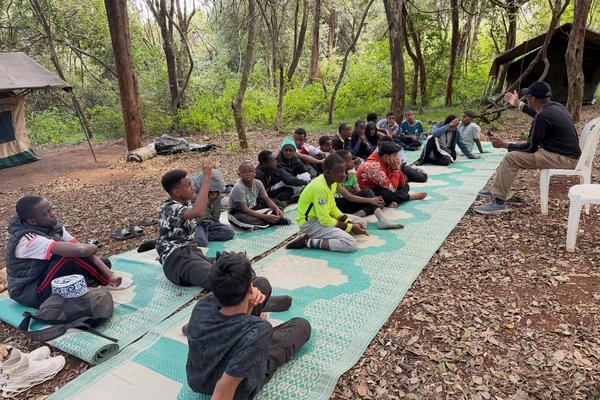
In every Somali neighbourhood — from Mogadishu to Minneapolis, from Nairobi’s Eastleigh to Leicester’s Highfields — there is a Duksi. It may be a purpose-built room in a mosque. It may be a teacher’s front room, swept clean and set with low mats for students. It may be a classroom rented from a community centre in the evenings. But wherever Somali Muslims have settled, the Duksi has followed — the institution through which Somali children have learned the Qur’an for as long as the tradition of Islamic education has existed for more than a thousand years.
The Duksi is one of the most resilient educational institutions in the world. It survived the collapse of the Somali state in 1991, mass displacement, and the upheaval of diaspora resettlement across four continents. It continues today in Somalia, in Kenya’s refugee settlements, and in the apartments of Somali families in Sweden, the United Kingdom, Canada, Australia, and the United States.
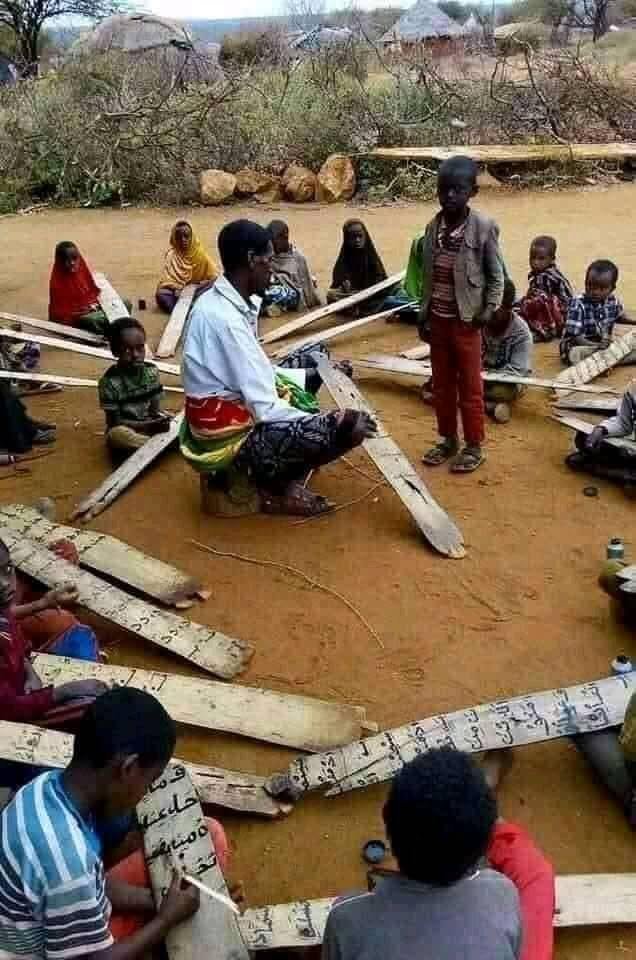
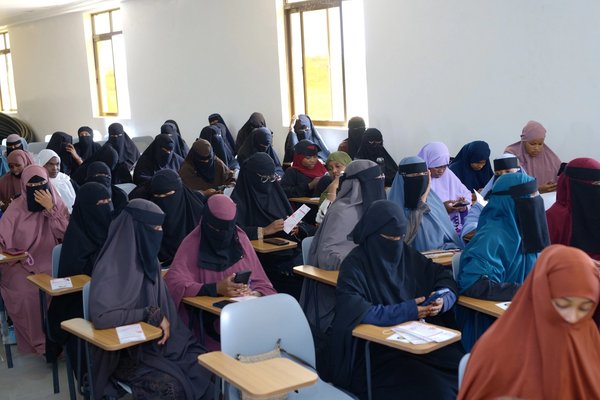
Learners memorizing the Qur'an at a Duksi in Mandera
A Duksi (also spelled Dugsi; plural dugsiyada in Somali) is a traditional Qur’anic school in the Somali educational tradition. The word comes from the Somali root dugsiga, meaning school, but in common usage it specifically refers to the community Qur’an school — the institution dedicated to teaching children to recite the Qur’an, memorise portions of it, and learn the fundamentals of Islamic practice.
The Duksi is not simply a Somali version of the Arabic madrasa. It has its own distinctive character, rooted in the specific way Islam took root and developed in the Horn of Africa over more than a thousand years.
The teacher at the heart of the Duksi is traditionally called a Wadaad (a religious leader or scholar) or, in more modern usage, Macallin (from the Arabic mu’allim, teacher). The relationship between the Macallin and their students is one of the most important educational relationships in Somali culture — traditionally carrying a deep authority and forming lifelong bonds.
The word dugsi itself is actually the general Somali word for school — dugsiga hoose means primary school; dugsiga sare means secondary school. When Somalis say dugsi alone without a qualifier in an Islamic education context, they typically mean the Qur’anic school. Outside Somalia, “Duksi” or “Dugsi” in the diaspora almost always refers specifically to the community Qur’an school.
The Historical and Cultural Roots of the Duksi
Islam arrived in the Somali peninsula in the early centuries of the Islamic calendar, carried by Arab traders and scholars across the Red Sea and the Gulf of Aden. By the 10th and 11th centuries, Islam was deeply embedded in Somali coastal communities; by the 14th and 15th centuries, it had spread into the interior and become central to Somali identity.
The Duksi developed as the primary vehicle of Islamic transmission in this context — adapting to the nomadic and semi-nomadic lifestyle of many Somali communities. Unlike the fixed madrasa buildings of North Africa or the formal schools of Egypt’s Al-Azhar tradition, the Duksi was designed to be portable, community-supported, and independent of state or institutional infrastructure. This adaptability is precisely why it has survived every political catastrophe the Somali people have endured.
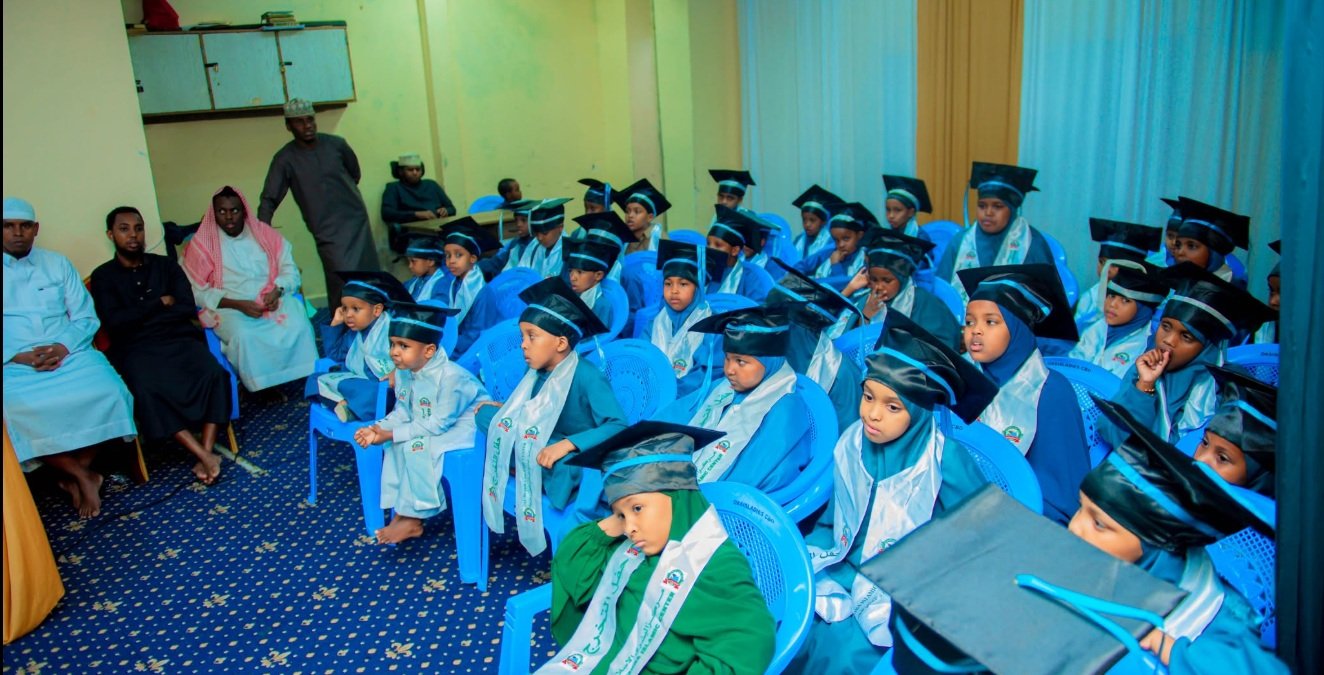
A graduation class at Al Bushra Islamic centre in Nairobi
The traditional Duksi operated with a distinctive learning method: students would write Qur’anic verses on a wooden board (looh in Somali — equivalent to the Arabic wala or Hausa allo), memorise the verses, wash the board, and move to the next passage. This oral-board method has been in continuous use for centuries and remains the dominant teaching approach in many Duksis today, alongside the growing use of printed Qur’anic texts and digital displays.
The cultural weight of the Duksi in Somali society is difficult to overstate. A child who has completed Qur’an in the Duksi — who has memorised the Qur’an fully or substantially — is celebrated in the community with a ceremony known as the Afgoye or, in diaspora usage, the Qur’an Graduation. This event, attended by extended family and community, represents one of the most significant milestones in a Somali child’s life. The Duksi is not merely an after-school programme — it is a cultural institution of the deepest importance.
The Curriculum
A traditional Duksi curriculum covers:
Foundation stage:
- Arabic alphabet and vowel recognition
- Qa’ida Noorania or equivalent foundation text for Tajweed rules
- Short Surahs from Juz Amma (Juz 30) — typically the first to be memorised
Related
Progression stage:
- Systematic Qur’an reading with Tajweed (Nazirah)
- Hifdh programme — memorisation of increasing portions of the Qur’an
- Basic Islamic practice: Salah, Wudhu, fundamental Aqeedah
Advanced stage (for Huffadh):
- Full Qur’an memorisation with revision cycles
- Tajweed rules at a more technical level
- Basic Islamic sciences (Fiqh of worship, Seerah)
The Duksi in the Somali Diaspora
The Duksi has been transplanted remarkably intact into diaspora contexts — from Eastleigh, Nairobi to Minneapolis (the largest Somali diaspora city outside Somalia) to London, Manchester, Leicester, Oslo, Stockholm, Toronto, and Sydney.
In each diaspora context, the Duksi faces a different version of the same core challenge: maintaining its educational and cultural function while adapting to a different legal, social, and practical environment.
In Kenya (Nairobi, Mombasa, the refugee settlements of Dadaab and Kakuma): Duksis operate in a context of mixed legal status — some are registered as supplementary schools with the Kenya Ministry of Education; many operate informally. The refugee settlement Duksis face particular challenges around resources, qualified teachers, and student population mobility.
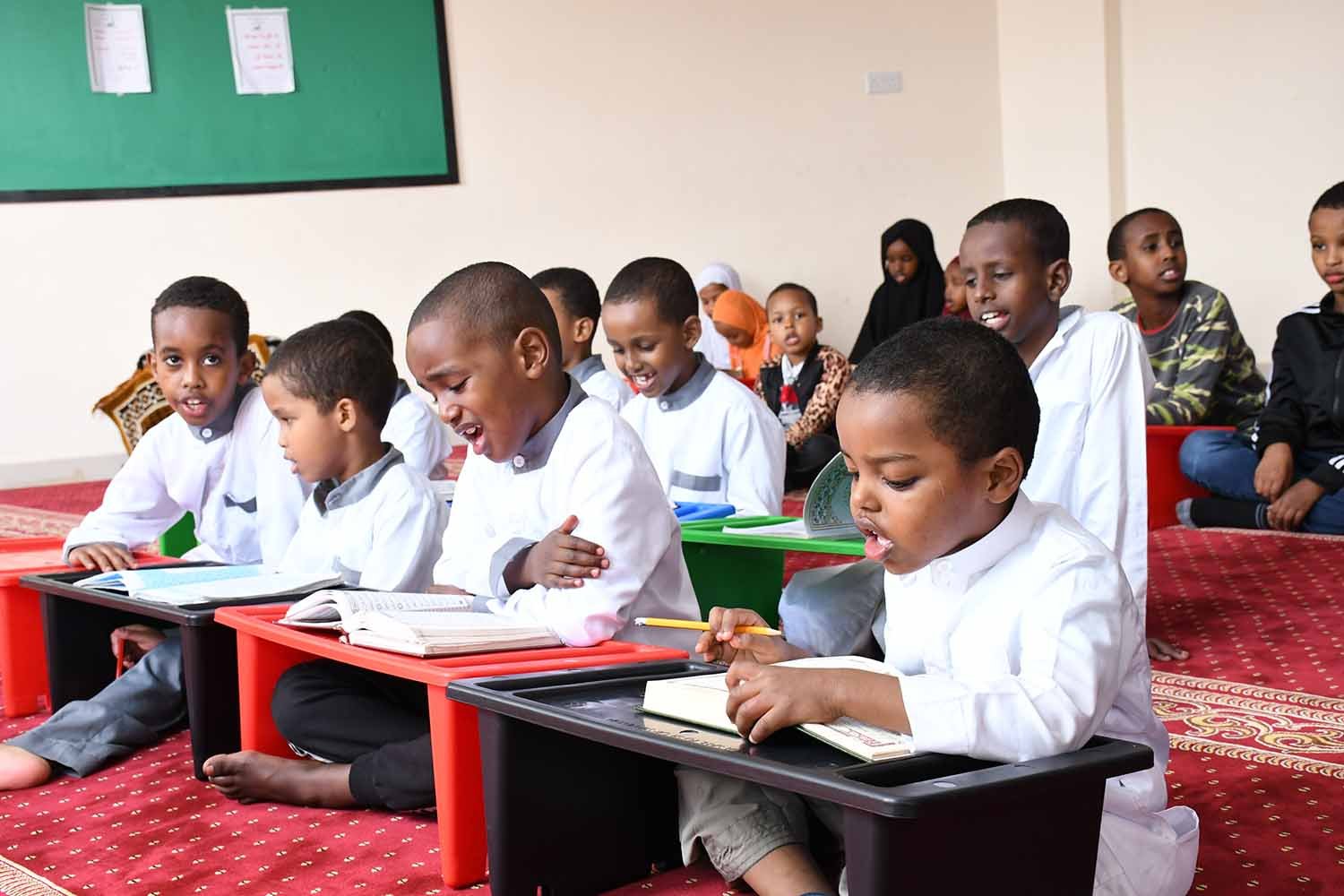
A Qura'n memorization class at Nairobi Muslim Academy
In the UK: Somali Duksis in London, Leicester, Bristol, and other cities with significant Somali populations operate as supplementary schools subject to UK GDPR, safeguarding requirements, and the general regulatory framework for community Islamic schools. Many are under-resourced and lack the administrative infrastructure to meet these obligations.
In North America: Duksis in Minneapolis, Columbus, Toronto, and other Somali diaspora cities operate within the regulatory frameworks of their respective states/provinces. Some have developed into more formal Islamic educational institutions.
In the UK, USA, Canada, and other Western diaspora countries, Duksis operating with children have legal safeguarding obligations — regardless of their informal character. Enhanced background checks for the Macallin and any assistants, a written safeguarding policy, and a procedure for reporting concerns are legal requirements in most Western jurisdictions, not optional additions. Many diaspora Duksis are unaware of these obligations or know about them but lack the infrastructure to meet them.
Conclusion
The Duksi has survived for centuries because it is irreplaceable — a community institution of profound educational and cultural importance, built on the teacher-student relationship at the heart of Islamic scholarship. (Ilmify)