Muslim leaders welcome Ruto directive on Madrasa, Duksi integration
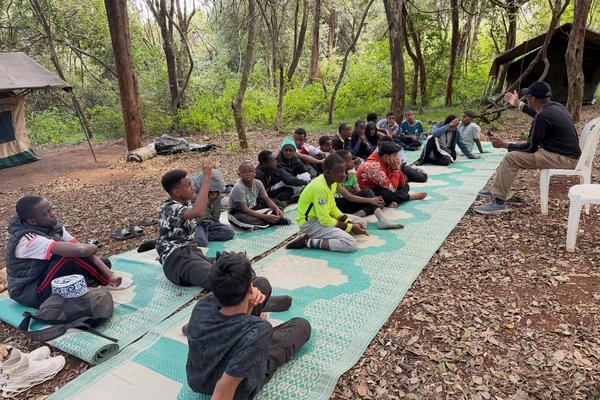
The planned integration would recognize madrasas as part of the national education system, enabling learners to obtain qualifications that are recognized within Kenya's education framework.
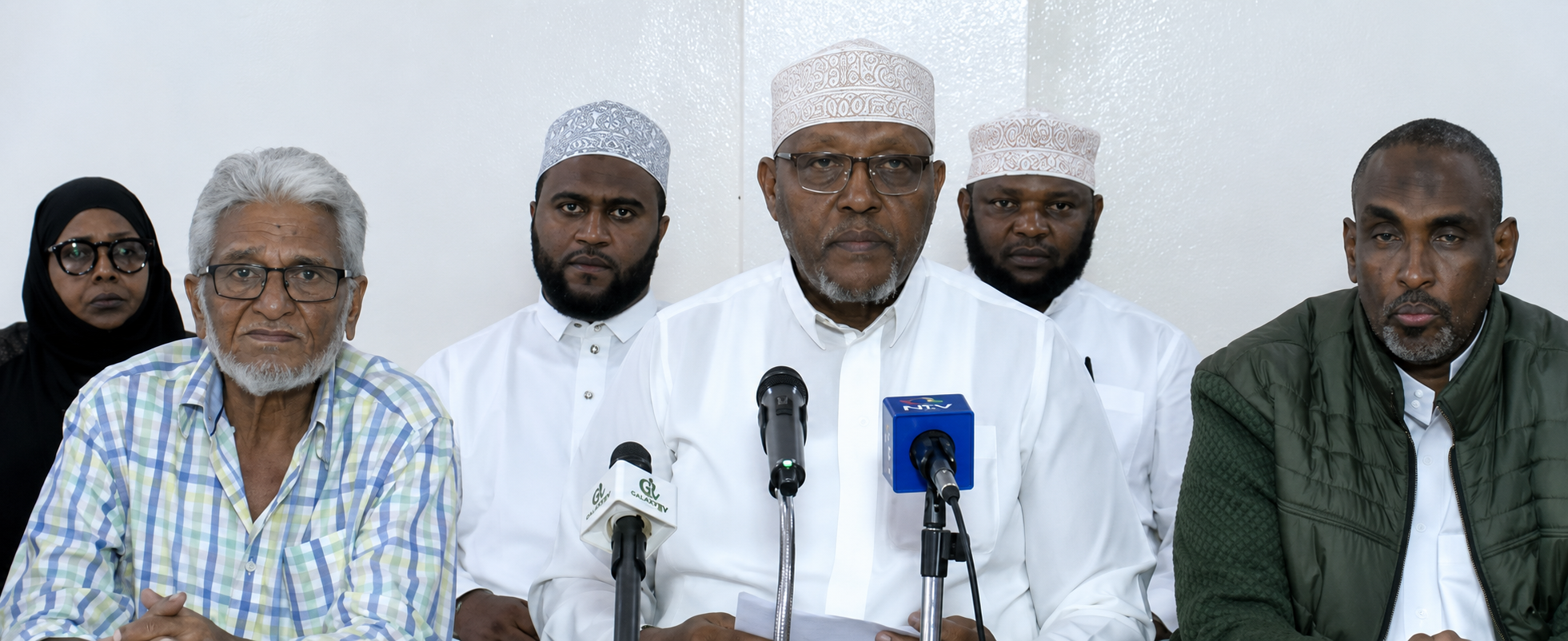
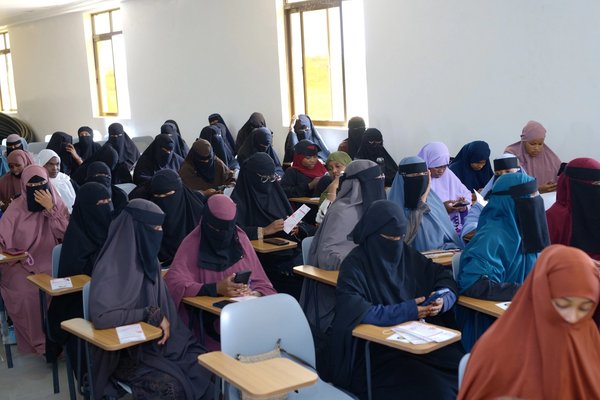
Muslim leaders have welcomed President William Ruto's directive to integrate madrasas and duksi into Kenya's formal education system, expressing optimism that the move will bridge longstanding educational gaps and improve access to quality education in underserved and marginalized regions.
The directive, issued by the President during the Madaraka Day celebrations in Wajir County, has been hailed as a landmark step towards addressing the unique challenges that have historically limited access to education in predominantly Muslim and nomadic communities.
Addressing a press conference at Adams Mosque on Ngong Road on Friday, June 26, prominent Muslim scholar Sheikh Ibrahim Lethome said the initiative would advance the constitutional principles of equality, equity, inclusion and affirmative action by reducing disparities between regions and communities while expanding educational opportunities.
"The President's directive seeks to address existing access gaps, respond to the diverse needs of learners and promote the fulfilment of the constitutional right to education for all children," Sheikh Lethome said.
He noted that many children in predominantly Muslim regions continue to face significant barriers to education, with challenging social and economic conditions limiting access to formal schooling, skills development and future employment opportunities.
"For many years, the absence of an appropriate operational framework has denied thousands of children access to recognized educational pathways, particularly those living in underserved and marginalized areas," he said.
Related
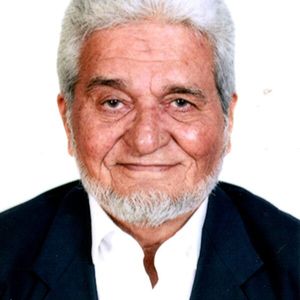
Sheikh Lethome explained that madrasas and duksi have historically played a vital role in Kenya's education landscape. During the colonial and post-independence periods, Qur'anic studies were taught in public schools up to A-Level, while madrasa teachers received government remuneration.
He said the planned integration would formally recognize madrasas as part of the national education system, enabling learners pursuing Islamic education to obtain qualifications that are recognized within Kenya's education framework.
Speaking at the same event, National Council for Nomadic Education in Kenya (NACONEK) Chief Executive Officer Harun Mohamed Yusuf said the directive would significantly improve access to education among children in marginalized and hard-to-reach areas.
"According to available statistics, more than 850,000 children in Mandera, Garissa, Wajir, Lamu and Tana River counties are currently out of school. With the new measures on integration, we expect to see many more children accessing education," he said.
Harun observed that political interference and other obstacles had for years delayed the implementation of policies aimed at integrating Islamic education into the national education framework.
However, he said the President's directive has renewed hope that the process will finally be implemented, paving the way for greater educational inclusion and improved learning outcomes for children in historically underserved communities.