Mobile Phones and Salah: Maintaining Concentration in Prayer
When a person whose phone rings while in prayer, one is permitted to place it on silent mode or switch it off altogether
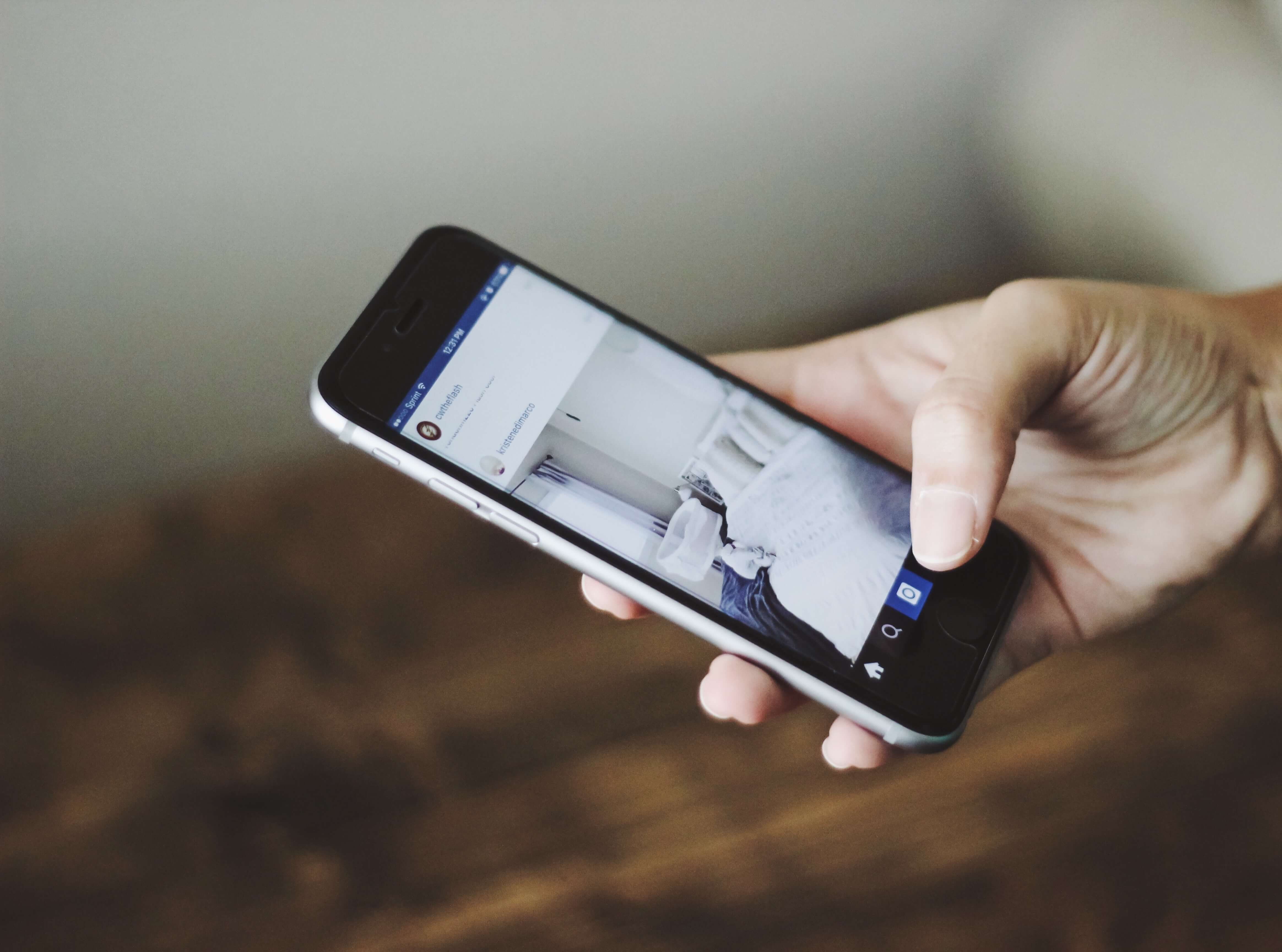
Before starting the prayer, a person should prepare himself physically and spiritually in order to attain the required tranquility and calmness. While performing prayer, a Muslim should keep away from all what may distract him and he should take all measures to prevent distraction, such as switching off the phone, turning it on silent mode or turning off the TV if praying at home.
The Prophet Muhammad (peace be upon him) forbade people from distracting one another during salah, which applies directly to interrupting the concentration of the congregation with a ringing phone
However, when a person whose phone rings while in prayer, one is permitted to place it on silent mode or switch it off altogether. If this means reaching into his pocket and hit the volume button or getting it out and presses the right button, then this should be done straightaway, so that this does not prolong the disturbance.
This movement is considered beneficial for maintaining the prayer and does not affect the validity of the Salah.
Join Our WhatsApp Channel for Updates and Announcements
Related


Consider the alternative: The phone will still be ringing, and some phones are set so that the second and third rings are louder. Some have a musical tone, and some are set with popular music rhymes. If the phone is let to ring on while the congregational prayer is in progress, the disturbance is worse causing distraction during salah. Moreover, when it is not answered, the caller may call again after a short interval. Where does this leave us, particularly if two or three mobiles ring in succession?
Taken from the practical point of view, this situation prompts a ruling that anyone whose phone rings in prayer should switch it off straightaway without interrupting his prayer. If this means an extended movement, as in the case of the mobile being in an inner pocket of his clothes, there is no harm in that.
These is supported by Prophet’s actions. Abu Qatadah reports: “The Prophet prayed while carrying his grand daughter Umaymah on his neck. When he bowed (i.e. did his ruku’), he put her on floor, and when he rose from his prostration, he put her back on his neck.” (Related by Ahmad and Al-Nassaie). Here we see the Prophet carrying his granddaughter over his shoulder in an obligatory prayer, when he was leading the congregation in the mosque. This requires more careful attention than we need to take for switching off a mobile phone.
Further Aishah reports: “The Prophet was praying at home, with the door closed. I came and knocked. He walked to the door and opened for me before returning to his praying position.” (Related by Ahmad, Abu Dawood, Al-Nassaie and Al-Tirmidhi). She clarifies that the door was in the same direction as the qiblah. On the basis of this Hadith, scholars rule that walking a couple of steps during prayer, for a valid reason, is permissible and does not affect the validity of prayer. However, all scholars agree that a long walk invalidates prayer. Moreover, the walk should not involve turning away from the direction of the qiblah.
It is also important to avoid unnecessary actions which may render the Salah invalid such as taking it out of your pocket to check who is calling, or reading a text message.