
Healthcare fraud is Haram, says Muslim medical association
The Holy Qur’an warns: ‘Do not consume one another’s wealth unjustly’ (Qur’an 2:188). The Prophet Muhammad (peace be upon him) said: ‘Whoever cheats us is not one of us’ (Sahih Muslim)”
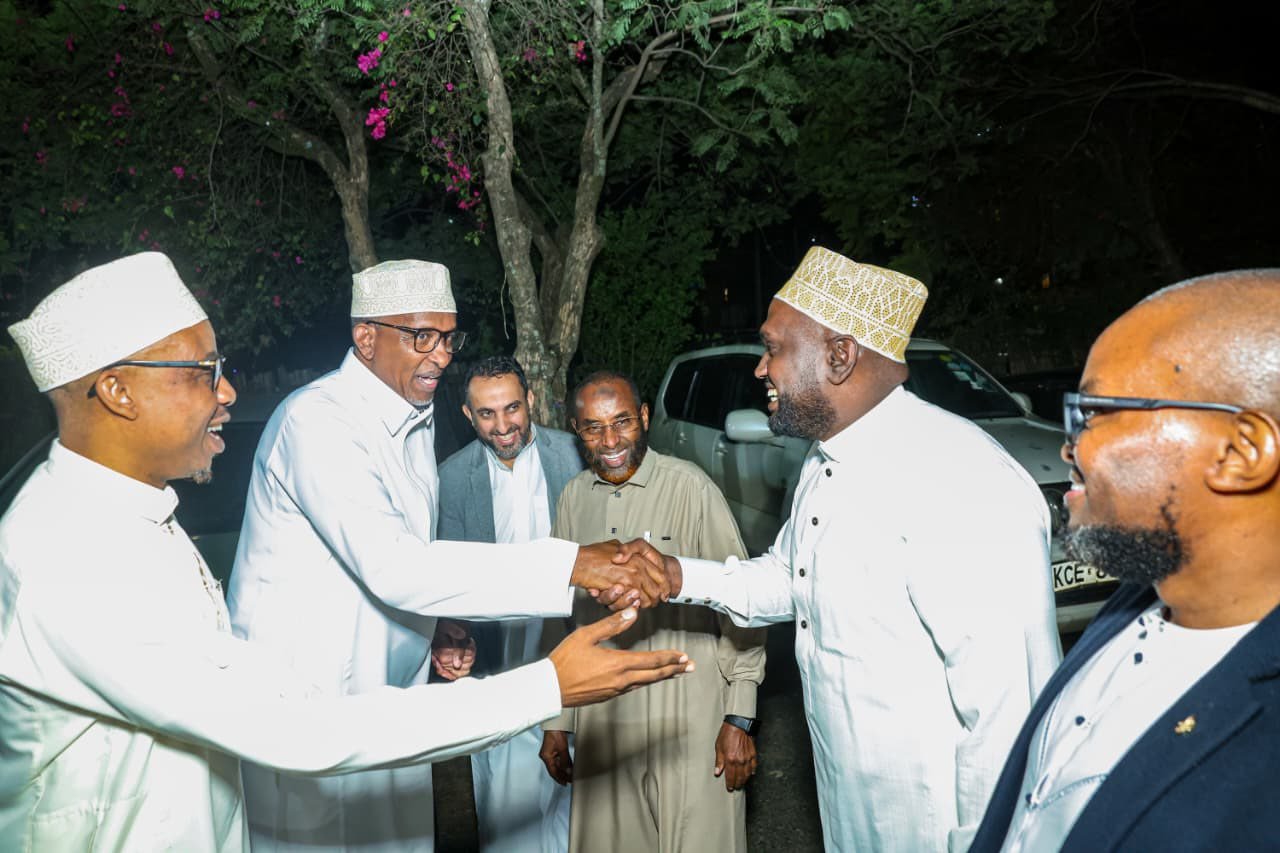
The Kenya Association of Muslim Medical Practitioners (KAMMP) has expressed concern over the involvement of some Muslim-owned medical facilities in fraudulent activities within the country’s healthcare system.
While commending Cabinet Secretary for Health Aden Duale for his firm stance against healthcare fraud, the organisation emphasized that such practices undermine patient care, erode trust in the medical profession, and weaken the integrity of Kenya’s healthcare system.
“Healthcare fraud is theft — haram in Islam and a crime under the law. Public healthcare funds belong to the people of Kenya, especially the poor and vulnerable who depend on them for survival,” said a joint statement issued on Monday, March 9, 2026, by KAMMP National President Dr Ahmed Yakub Kalebi and Secretary General Dr Abdalla Bajabir.
The concerns come in the wake of the closure of several health facilities by the Ministry of Health through the Kenya Medical Practitioners and Dentists Council (KMPDC) over fraudulent claims linked to the former National Hospital Insurance Fund (NHIF) and the current Social Health Authority (SHA). The crackdown forms part of ongoing government efforts to safeguard public health resources and enhance accountability within the healthcare sector.
“KAMMP is deeply concerned that a significant proportion of facilities implicated in the first and second waves of closures appear to involve Muslim-owned facilities, many located in counties with majority Muslim populations,” the statement said.
The association cautioned that such developments risk damaging the reputation of the broader Muslim medical community, which has long played a critical role in delivering healthcare services across the country.
KAMMP urged Muslim healthcare professionals and facility owners to completely refrain from engaging in fraudulent practices, noting that such acts constitute both criminal offences and serious moral violations under Islamic teachings.
“The Holy Qur’an warns: ‘Do not consume one another’s wealth unjustly’ (Qur’an 2:188). The Prophet Muhammad (peace be upon him) said: ‘Whoever cheats us is not one of us’ (Sahih Muslim),” the statement further noted, citing both the Qur’an and the traditions of the Prophet.
The association also called upon healthcare professionals, facility owners, regulators, community leaders, and members of the public to work collectively to eradicate healthcare fraud and strengthen integrity within Kenya’s healthcare system. It emphasized that transparency, accountability, and adherence to ethical medical practices are essential in restoring public confidence in the sector.
In addition, KAMMP encouraged Muslim communities across the country to actively register for the Social Health Authority (SHA), which replaced the National Hospital Insurance Fund (NHIF) as part of the government’s broader healthcare reforms aimed at expanding universal health coverage.
According to the association, Mombasa County currently leads nationally in SHA registration, while several counties in North Eastern Kenya remain significantly behind in enrolment. KAMMP urged community leaders, religious institutions, and healthcare professionals to intensify awareness campaigns to ensure greater participation in the programme.
The Kenya Association of Muslim Medical Practitioners (KAMMP) is a national professional organisation that brings together more than 2,000 Muslim healthcare professionals across Kenya. Founded in 1998, the association promotes ethical medical practice, professional development, and community health initiatives while encouraging the integration of Islamic ethical principles in healthcare delivery.
Over the years, KAMMP has also played an active role in medical outreach programmes, public health education, and advocacy aimed at improving healthcare access and standards within underserved communities across the country.