Evangelical churches voice opposition on madrasa integration
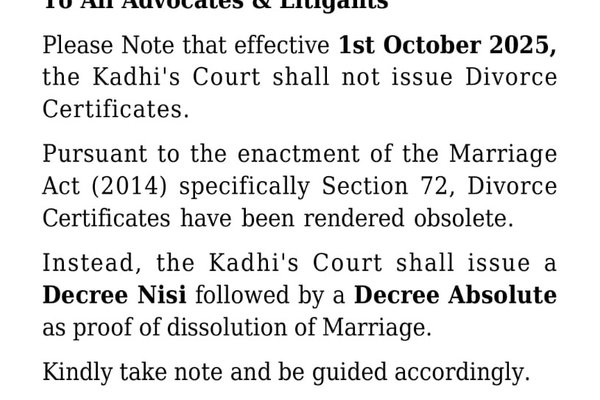
The move mirrors the insidious campaign against the Kadhi courts during the constitution-making process
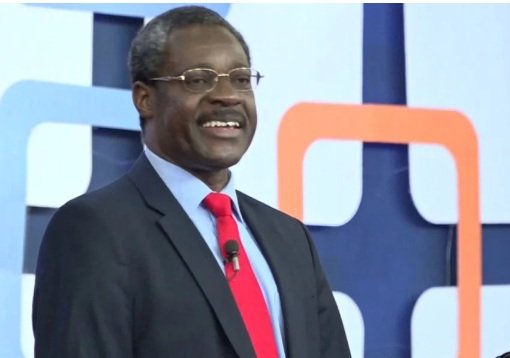
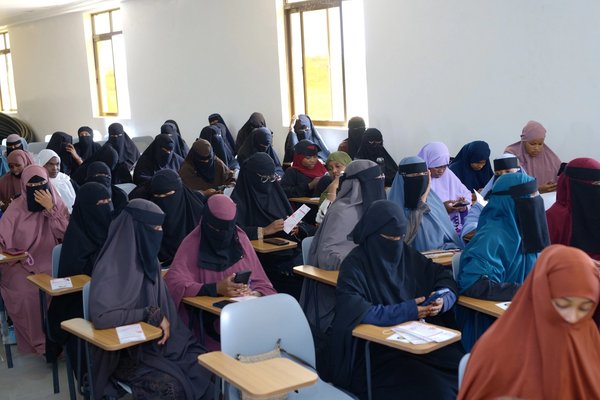
Evangelical churches have criticized a directive by President William Ruto to integrate madrasa and duksi institutions into the country's education system, arguing that the move grants special privileges to one faith over others.
The Evangelical Alliance of Kenya (EAK) Chairman, Bishop Calisto Odede further said that move is part of plans to use Islamic institutions to penetrate into other sectors in the country.
EAK is the umbrella organization of evangelical churches in the country.
Speaking during an interview on Hope FM on Wednesday, Bishop Odede claimed that the directive was issued without stakeholder consultations and could have implications not only for the country's education framework but also for other sectors.
“Already we have the Kadhi courts in the constitution, we have foodstuffs that are halal touching on the economy, now we are taking it to the education, it means you are introducing elements of Islamic faith into every sector of the society,” he said.
Related
“It seems to me that we are giving privileges to one religion above others," added Odede who is also the presiding bishop at the Christ Is the Answer Ministries (CITAM).
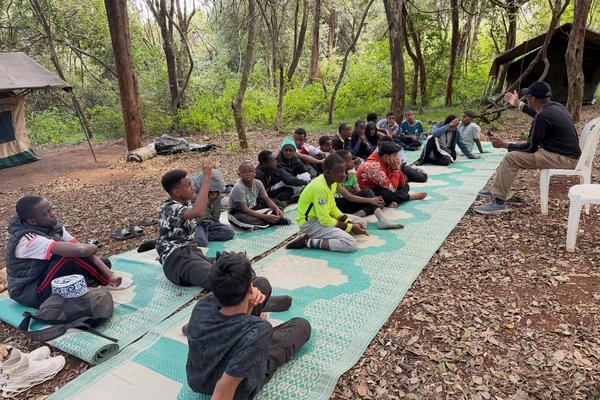
According to the cleric, madrasas are religious learning centres for children “just like our Sunday Schools and are not for educational programmes.”
He further said the move was not fair to followers of other faiths, as he called for a broader national conversation on the matter. “Is it fair for everybody? How do we also integrate Sunday Schools into the national education system? he asked.
Bishop Odede's remarks mirror the opposition to the Kadhi courts during the constitution-making process, when the Evangelical Alliance of Kenya was at the forefront of efforts to challenge the continued inclusion of the courts in the Constitution in the run-up to the 2005 referendum. In voicing its position, the churches claimed that the move was a back door plan to introduce Shariah (Islamic law) into the country and would lead to sectarian strife among Kenya’s diverse communities.
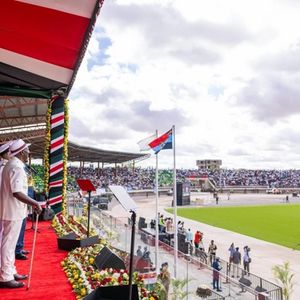
Speaking during the Madaraka day celebration in Wajir County on June 1, President Ruto directed Education Cabinet Secretary Julius Ogamba to begin formal consultations on integrating madrasa, duksi and pastoral instruction programs into Kenya's Basic Education framework.
"Some children in northern Kenya and other marginalized regions remain outside the formal education system because certain alternative learning pathways have not been adequately recognized or accommodated within our education framework," the head of state said.